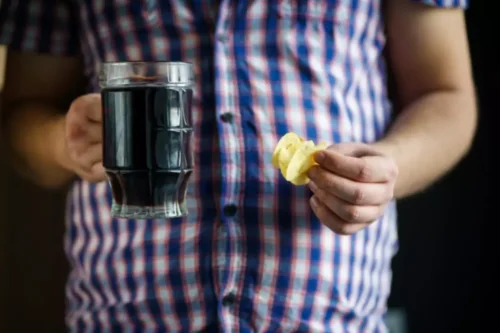
The trials look to find new ways to prevent, detect, or treat disease and improve quality of life. They are located just below your rib cage, one on each side of your spine. Every day, your kidneys filter about 120 to 150 quarts of blood to remove wastes and balance fluids. The urinary tract is the body’s drainage system for removing urine, which is made up of wastes and extra fluid. For normal urination to occur, all body parts in the urinary tract need to work together, and in the correct order. In the case of obstructive sleep apnea, where the throat muscles and tongue are already impeding on your airway, alcohol makes the condition worse.
How Do Urine Tests for Alcohol Work?
If you’re healthy, try to drink six to eight 8-ounce glasses of liquid each day. You may need to drink more if you have kidney stones or bladder stones. You might need to drink less water if you have certain conditions, such as kidney failure or heart disease. Ask your health care professional how much liquid is healthy for you. Alcohol is a central nervous system depressant, which is why it gives you that pleasant, relaxed feeling. It’s why so many of us fall asleep after drinking, and why it can seem like alcohol helps you sleep.
- On average, the liver can process 1 ounce of alcohol every hour.
- Sunshine Behavioral Health strives to help people who are facing substance abuse, addiction, mental health disorders, or a combination of these conditions.
- But if your day includes unwinding with a beer or glass of wine … you’ll probably have to put that on hold while you take your medication.
- Detoxification — or a full-body detox — is a popular buzzword.
Alcohol Flush Reaction: Why Your Face Gets Red When You Drink
- Taking too many antioxidant supplements may increase your risk of certain diseases.
- Your body naturally metabolizes alcohol and removes the toxins.
- A person who has not eaten will hit their peak blood alcohol level between 30 minutes and two hours after consumption, depending on the amount of alcohol consumed.
Understanding alcohol metabolism is crucial for recognizing how long alcohol’s effects may last and the importance of pacing consumption to prevent intoxication and potential harm. Your liver has enzymes that work like special tools to help metabolize (break down) different toxins that enter your body, such as alcohol. If you how to flush alcohol out of your system want to flush out alcohol from your body on your own, be prepared to do a lot of work. If you want the easier way, work with reputable institutions like Stonewall Institute today and start turning your life around. After the first week, it is recommended that you go back to drinking at least 64 ounces of water every day.
- Ensuring adequate quality sleep each night is a must to support your body’s health and natural detoxification system.
- Those who drink on an empty stomach will feel the effects of alcohol more quickly.
- When you have food in your stomach, your ADH levels are higher, and your body can process alcohol more efficiently.
- Essentially, feeling “drunk” is when your liver becomes too overwhelmed to properly process alcohol, so it overflows temporarily into your bloodstream.
Getting Help for Alcohol Addiction

Providers use Bactrim for many types of infections, including urinary tract infections, diarrhea and pneumonia. An alcohol allergy and an intolerance are sometimes confused, but they’re not the same, Factor said. Effect of topical brimonidine on alcohol-induced flushing in Asian individuals. And several antihistamines, such as cetirizine (Zyrtec) and diphenhydramine (Benadryl), can raise your risk of dizziness and drowsiness when they’re combined with alcohol. However, regular use of alcohol is not without risk, and the alcohol can remain in the system for quite a while, depending on several factors.
The Power of Supportive Relationships and Social Networks in Alcohol Recovery
When a person consumes alcoholic beverages, the alcohol builds up in their bloodstream. The liver is the primary organ for eliminating alcohol and needs time to filter the blood and break the alcohol down. There is nothing a person can do to quickly reduce the blood alcohol concentration (BAC) level in their body. The liver needs time to filter blood and remove alcohol from the system. Your body naturally processes lactate in your liver and kidneys. While temporary hyperlactatemia can be exercise-induced, harmful lactic acidosis is unlikely to occur as a result of intense exercise in people with normal kidney and liver function.
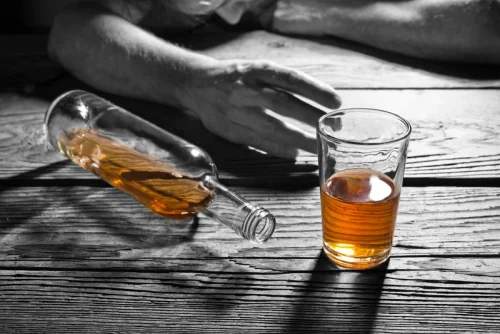
It increases the chance of an overdose, liver damage, impaired immune system, and addiction. A glass of wine versus grain alcohol has a different alcohol concentration, affecting how alcohol is metabolized. By increasing your water intake, your body reduces the secretion of the antidiuretic hormone and increases urination, eliminating more water and waste products (49, 50). That’s because when you consume too much salt and not enough water, your body releases an antidiuretic hormone that prevents you from urinating and therefore, detoxifying (48).
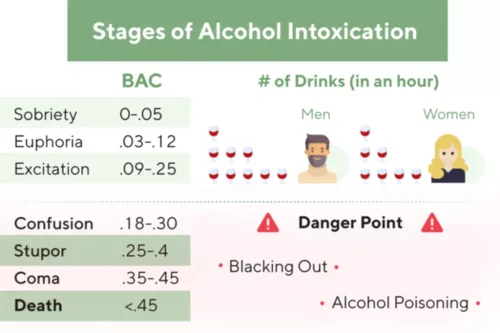
Moderate Impairment (0.06–0.15% BAC)
Moderate impairment can also make you more likely to engage in risky behaviors such as driving under the influence or becoming aggressive with others. You cannot flush alcohol out of your system or lower your BAC faster, but you can practice self-care to support recovery after drinking. We will delve into the body’s process of metabolizing alcohol, exploring effective strategies to support this natural detoxification. With a focus on practical advice, we aim to equip you with the knowledge to responsibly manage alcohol’s impact on your body.
Eat Nutritious Foods